Key Takeaways
- The DC Metro condo market has shifted significantly toward buyers in 2026. Condo sales dropped to their lowest levels since the pandemic, with inventory up 17.8% year-over-year and months of supply reaching 4.13 to 4.84 months, making condos the most buyer-friendly segment in the region (Bright MLS, City Cast DC).
- Median condo prices in the DC Metro area range from approximately $385,000 to over $675,000 depending on neighborhood, with overall prices flat year-over-year. The broad range reflects the diversity of the market from studio units in emerging neighborhoods to luxury waterfront condos in Georgetown and The Wharf.
- New HOA deductible rules took effect July 1, 2026, changing the landscape for condo buyers and owners. The new rules cap master deductible exposure at $50,000 per unit and require individual HO-6 insurance policies covering the unit's interior, adding a new cost consideration for prospective buyers.
- Navy Yard, Logan Circle, and the Ballston and Clarendon neighborhoods in Arlington remain the strongest performing condo submarkets. Desirable locations with walkable access to Metro, retail, dining, and employment centers continue to attract buyers who are not finding what they want in the single-family market.
- One-bedroom and studio condos face the softest demand across the DC Metro. Competition from amenity-rich rental buildings, rising condo fees, and changing buyer priorities (more space for hybrid work) have pushed these units to the longest days on market and the widest negotiating room.
The Washington DC metro condo market in 2026 is the most buyer-friendly it has been since the early pandemic months. Condo sales have dropped to their lowest levels since 2020, inventory has climbed sharply, and months of supply has passed the four-month mark in many submarkets. For buyers and investors who understand the new dynamics, this market presents opportunities that did not exist 18 months ago.
For sellers of condos in the DC Metro area, the message is straightforward: pricing accuracy, condition, and positioning matter more now than they have in years. A one-bedroom unit in a building with high HOA fees and a weak amenity package competes against both other condos and a deep pool of rental apartments. A well-priced unit in a desirable building in the right neighborhood still attracts qualified buyers, but the margin for error has narrowed significantly.
The Numbers
$385K
DC Metro Median Condo Price
Flat YoY | Bright MLS
+17.8%
Condo Inventory YoY Increase
May 2026 | Bright MLS
4.8 Mo.
Condo Supply
Spring 2026 | Bright MLS
30+
Median Days on Market (Condo)
vs. 7 days for single-family
What Is Driving the Condo Market Shift?
Several factors have converged to create the current condo market dynamics in the DC Metro area. Understanding them helps buyers identify opportunities and helps sellers position their units realistically.
Rising HOA Fees and New Insurance Rules
Condo fees across the DC Metro have risen steadily as buildings contend with higher insurance premiums, deferred maintenance, and rising labor costs. Effective July 1, 2026, new HOA deductible rules capped master deductible exposure at $50,000 per unit and mandated individual HO-6 insurance policies covering the unit interior. While these rules ultimately strengthen the financial health of condo associations, they add a recurring cost that buyers must factor into their monthly budget. Units in buildings with well-funded reserves and transparent financial management have a clear market advantage.
Federal Government Job Impacts
The federal government's DOGE restructuring and related layoffs have reduced the pool of potential condo buyers, particularly among younger professionals who typically form the core demand for one-bedroom and studio units in the District. This is not a DC-wide crisis. Overall employment in the region remains stable. But the impact is measurable in the entry-level condo segment and has contributed to the inventory buildup.
Competition from Rental Buildings
The DC Metro has seen a wave of new amenity-rich rental buildings come online, particularly in Navy Yard, NoMa, and the Ballston and Rosslyn neighborhoods in Arlington. These buildings offer gyms, co-working spaces, rooftop decks, and concierge services that older condo buildings struggle to match. For buyers comparing a mortgage plus HOA fees against a rental with similar amenities, the math often tilts toward renting, especially with mortgage rates near 6.66%.
Hybrid Work and Space Preferences
The hybrid work pattern that has settled into the DC region means many buyers prioritize space for a home office. Small condos that worked well for a five-day commute-and-sleep schedule feel cramped when you spend three days a week working from the dining table. This shift in priorities has pushed demand toward townhomes and single-family homes and away from smaller condos, even in prime locations.
Neighborhood-Level Condo Market Conditions
The DC Metro condo market is not one market. It varies significantly by neighborhood, building age, price point, and proximity to Metro. Here is what is happening in key submarkets.
Washington, DC Proper
In DC, the condo market splits sharply by neighborhood and unit type. Georgetown and the waterfront at The Wharf continue to command the highest prices, with luxury two-bedroom condos exceeding $800,000 and waterfront units pushing past $1 million. These properties attract a buyer who is less sensitive to rate fluctuations and more focused on location and lifestyle.
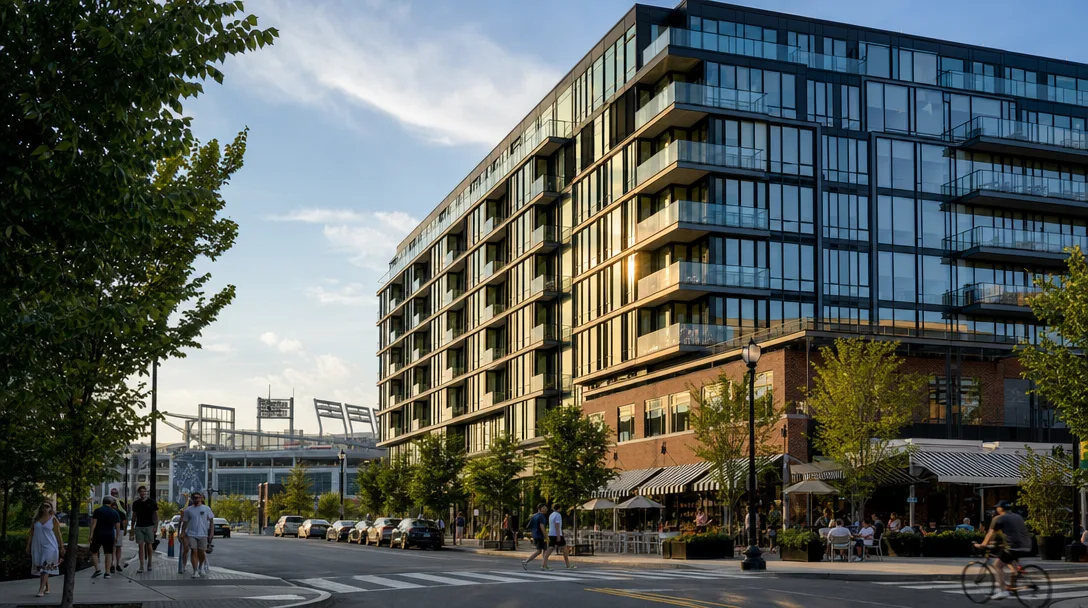
Navy Yard and Logan Circle show the strongest activity in the middle of the market. Navy Yard benefits from the ballpark, waterfront parks, and a growing restaurant scene. Logan Circle attracts buyers who want a walkable urban lifestyle with access to 14th Street's dining and nightlife. In both neighborhoods, well-priced two-bedroom units in buildings with strong reserves move within three to four weeks. One-bedroom and studio units sit longer and offer the most negotiating room.
Dupont Circle and Chevy Chase represent the classic pre-war condo market. These neighborhoods offer larger units with architectural character in buildings that have been well-maintained over decades. Inventory turnover is low, and when a well-priced unit comes to market, it still attracts multiple qualified buyers in many cases.
Arlington, VA
Arlington is a city of approximately 250,000 residents with more than 30 distinct neighborhoods. The condo market here is concentrated in the urban villages along the Metro's Orange and Silver lines. The Ballston and Clarendon neighborhoods remain the strongest condo submarkets in Arlington, drawing buyers who want walkable access to retail, dining, and Metro without surrendering to DC's higher price points. Median condo prices in Ballston and Clarendon range from the mid-$400,000s for one-bedroom units to over $700,000 for two-bedroom floor plans in newer buildings.
The Rosslyn neighborhood offers a mix of older high-rise condos with lower price points and spectacular views of DC, while the Crystal City and Pentagon City neighborhoods have absorbed inventory from new deliveries and show softer demand. Arlington as a whole leads the DMV in overall price appreciation at +6.4% year-over-year (NVAR), but the condo segment trails single-family appreciation, consistent with regional trends.
Bethesda and Chevy Chase, MD
Bethesda and Chevy Chase in Montgomery County have a condo market driven by downsizers and empty nesters who are trading single-family homes for maintenance-free living near Metro, shops, and medical facilities. These buyers prioritize location, building quality, and community amenities. The strongest demand in Bethesda is for two-bedroom-plus-den units in newer buildings near the Bethesda Metro station, where prices typically range from $600,000 to over $1 million. Walkable downtown Bethesda and the Chevy Chase Lake area are the primary draw.
Opportunities for Buyers and Investors
For buyers who are willing to look beyond the one-bedroom segment and focus on well-located two-bedroom units in buildings with strong financials, the current market offers the best conditions in years. Here is where the opportunities are.
Negotiating room is real. With inventory elevated and days on market stretching past 30 days, sellers of condos are far more willing to negotiate on price, closing costs, and terms than they were in 2024 or early 2025. Buyers who come pre-approved and ready to move have leverage they have not had in recent memory.
Investor opportunities in the conversion market. With many condo owners converting units to rentals rather than selling at a discount, the rental condo segment is at decade highs. For investors who can buy at current prices, the rental yield math is more attractive than it has been. Units near Metro stations in Arlington's Rosslyn and Pentagon City neighborhoods and DC's Navy Yard area offer the strongest rent-to-price ratios.
New HOA rules favor transparent buildings. The July 2026 HOA deductible rule changes create a clear advantage for well-managed buildings with strong reserves and transparent financial disclosures. Buyers who do their due diligence on building financials are less likely to encounter surprise special assessments. An agent who knows the market can help identify buildings that meet these criteria.
Strategies for Condo Sellers
If you are selling a condo in the DC Metro area in 2026, the market demands a more disciplined approach than it did two years ago. The buyers who are active are serious, but they have options.
Price realistically from day one. The data on days on market makes this clear. Condos that are priced at or slightly below current comparables attract showings and offers. Condos that test the market at a premium sit, and the longer they sit, the more leverage shifts to buyers. The first two weeks of marketing are the most important window. A data-driven pricing strategy matters now more than it did 12 months ago.
Present your building, not just your unit. Buyers evaluating condos are as concerned with the building's financial health and amenities as they are with the unit itself. Make sure your HOA's financial statements, reserve study, and recent board meeting minutes are available and easy to review. Highlight recent building improvements, low vacancy rates, and stable HOA finances.
Stage and depersonalize thoroughly. In a market where buyers have 30+ condos to choose from in their price range, a unit that shows well and feels move-in ready commands a premium over one that feels tired or cluttered. Professional staging, fresh paint, and good photography are not optional in this market. They are the baseline.
For a full analysis of how the broader market trends affect your specific situation, read the Washington DC Real Estate Market Update: August 2026 and the county-by-county market analysis covering DC, Montgomery County, and Fairfax County separately.
Frequently Asked Questions
Is now a good time to buy a condo in Washington DC?
What are the new HOA deductible rules that started July 1, 2026?
Which DC Metro neighborhoods have the strongest condo market?
How do rising condo fees affect the market?
Should I sell my condo now or wait?

Claude Labbe
REALTOR · Douglas Elliman · DC, MD, VA
703-868-7774 | Claude.Labbe@elliman.com
Have questions about the condo market in your neighborhood? Claude provides a free, data-driven consultation for buyers, sellers, and investors across the DC Metro area. Call 703-868-7774 or visit the contact page to schedule a conversation.
Data Sources
This market analysis draws on data from Bright MLS, the Northern Virginia Association of Realtors, City Cast DC, Freddie Mac, and Edward Dumi Real Estate. All figures reflect the most recent data available as of August 2026.